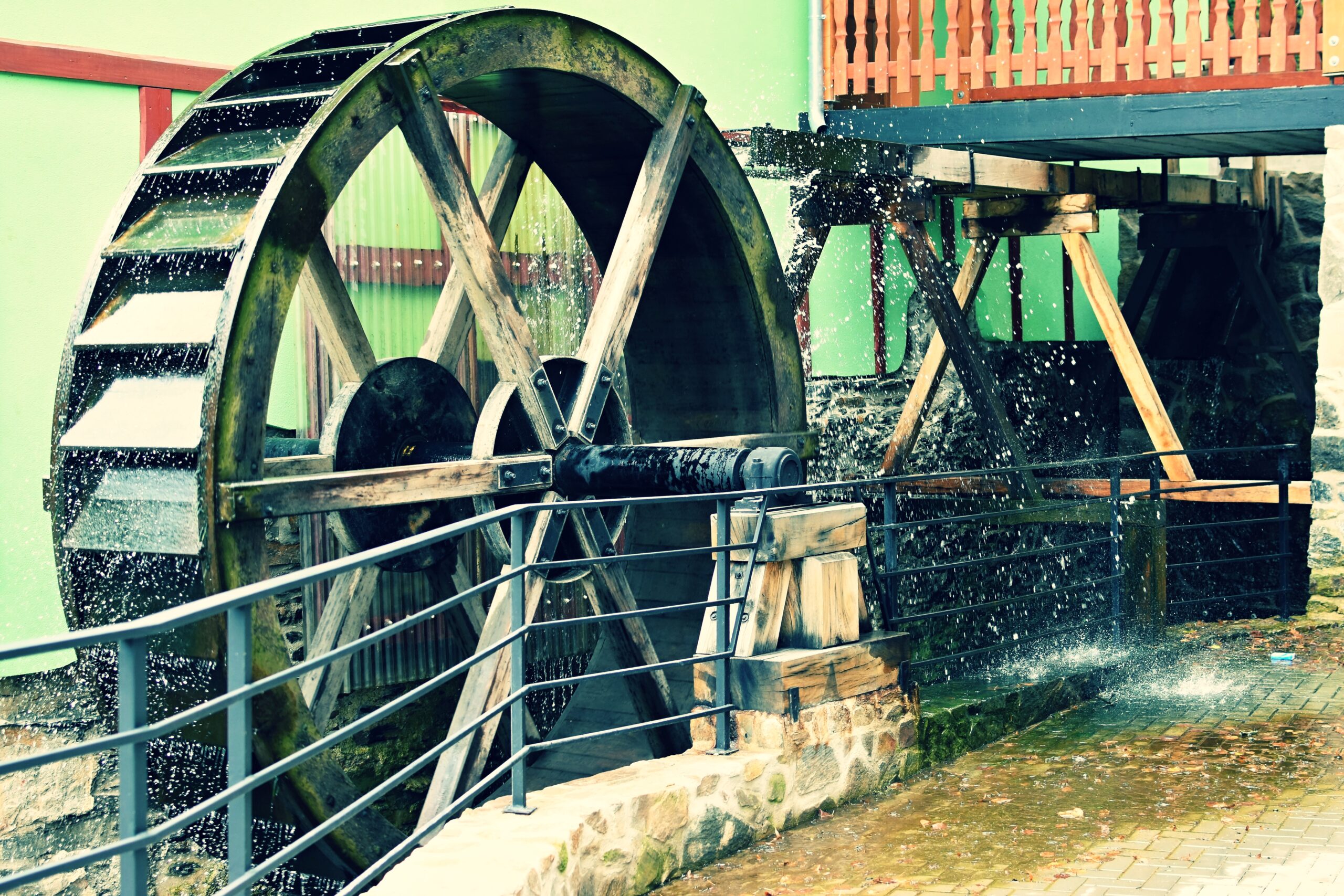
Historic mill restoration is about more than patching up wood and stone. It’s about giving a second life to the stories, sweat, and spirit that once defined entire communities. The Sim Corder Mill, often locally known as the Harrison Mill, stands today as a living example of how thoughtful preservation can breathe fresh purpose into forgotten spaces.
Once a vital hub in the early 1800s, the mill served farmers and locals alike with essential services and acted as a gathering point for generations. Over time, the building weathered, the wheel stopped turning, and the memories it held began to fade. Thanks to dedicated efforts, the mill has returned to life, not only as a structure but as a symbol of resilience, culture, and pride.
Understanding the Significance of Historic Mills
Mills played a critical role in shaping rural America. More than just places to grind grain, they acted as meeting spaces, landmarks, and engines of economic growth. Losing one meant losing a part of history that once brought people together in meaningful ways.
Preserving these places is a powerful act of storytelling. The Sim Corder Mill’s restoration highlights how a building can hold memories, craft identity, and inspire future generations. Its revival brings back not only architectural beauty but the spirit of connection that made it matter in the first place.
The Vision Behind the Restoration
The Sim Corder Mill restoration was born from a simple but powerful vision: to respect the past while preparing for the future. From the outset, the goal was to preserve the mill’s historical identity without turning it into a lifeless relic. The plan focused on maintaining authenticity while making the valuable structure in a modern context.
To achieve this, historians, architects, and craftspeople worked closely together. Old photographs, community stories, and historical records helped guide the design. Every detail, from timber type to window placement, was carefully chosen to reflect the original structure, ensuring that the building remained a faithful echo of its past.
Challenges Faced During Restoration
Restoring a historic mill comes with no shortage of obstacles. The Sim Corder Mill had suffered years of decay, leaving major sections structurally compromised. Water damage, insect infestations, and foundation issues meant that every move had to be precise and respectful of the building’s original framework.
Despite the setbacks, the team refused to take shortcuts. They sourced reclaimed timber, matched century-old stone, and used lime-based mortar consistent with the mill’s era. Behind the scenes, they integrated modern necessities like plumbing and wiring while keeping them invisible to the casual eye. This blend of old and new allowed the mill to retain its soul while becoming functional once again.
Community Engagement and Support
The most moving part of this historic mill restoration was the support it received from the surrounding community. Locals didn’t just watch the project unfold—they joined in. Volunteers offered their time, shared old family photographs, and passed down stories that painted a vivid picture of the mill’s heyday.
Schools organized field trips to the site, while community centers held workshops about local history and preservation. As people learned more, they became emotionally invested. The restoration became a shared journey, uniting residents around a common goal: remembering and rebuilding something they all cared about.
Breathing New Life Into a Historic Space
Once the structural work was complete, the team faced the question of purpose. Rather than sealing the building behind velvet ropes, they transformed it into a vibrant cultural space. Today, the restored Sim Corder Mill serves as a hub for education, the arts, and community events, drawing locals and tourists alike.
Children now walk the creaking floors to learn about local history through interactive exhibits. Artists host workshops in the renovated rooms. Seasonal festivals celebrate the region’s traditions in the shadow of the very same stone walls that stood two hundred years ago. This adaptive reuse ensures the mill is not only preserved but also alive and meaningful in today’s world.
Lessons for Future Historic Preservation Projects
The Sim Corder Mill teaches valuable lessons to anyone passionate about historic preservation. Success doesn’t come solely from funding or expertise. It comes from the heart, community collaboration, and a deep respect for the story a place tells. Projects like this remind us that with enough care and vision, even the most fragile structures can be saved.
Restorers and planners can take inspiration from this project’s approach: start with research, work with locals, and honor the original craftsmanship. Sustainability also matters. By using reclaimed materials and low-impact methods, the team balanced conservation of history with responsibility to the environment.
A Model of Preservation in Action
The Sim Corder Mill now stands not just as a building but as a legacy. Its walls, once on the verge of collapse, now shelter stories, creativity, and a renewed sense of community. Through focused historic mill restoration, the team has shown what’s possible when history meets intention and action.
This restoration isn’t just an isolated win. It’s a beacon for other communities seeking to preserve their past while creating space for new memories. With every restored beam and polished floorboard, the Sim Corder Mill reminds us that our history is worth savingand that doing so brings people together in the most meaningful ways.