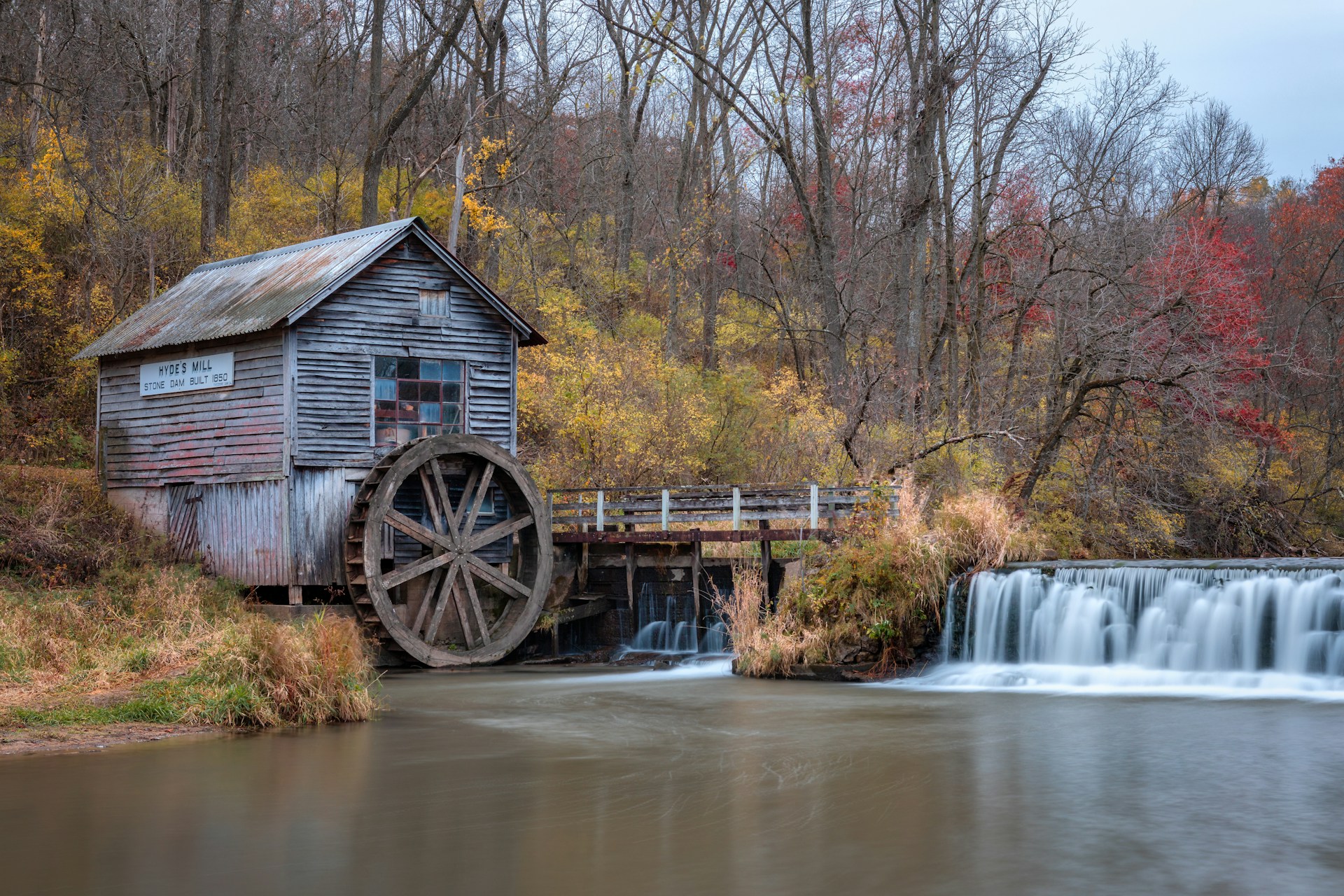
The rise of early industry depended on more than new ideas. It also relied on hardworking people, practical machines, and local mills that powered growing communities. Across many regions, mills became centers of trade, innovation, and employment. Among these historic sites, the Harrison Mill history story reflects how one location helped support economic development during an important period of change. While large factories often receive most of the attention, smaller mills played an equally valuable role by processing raw materials, encouraging commerce, and introducing new production methods that strengthened local economies.
A Community Built Around Water Power
Long before electricity became common, water supplied the energy needed to operate machinery. Rivers and streams offered reliable power, making them ideal locations for mills that processed grain, lumber, and other materials. As a result, settlements naturally formed around these important businesses.
The Sim Corder/Harrison Mill served as more than a production site. It became a gathering place where farmers, merchants, and craftsmen met to exchange goods and information. Because transportation remained limited, local mills often acted as the economic heart of nearby communities.
Early Manufacturing Changed Daily Life
Before industrial equipment became widespread, many families completed essential work by hand. Although this approach met basic needs, it demanded significant time and effort. Mills introduced a more efficient process that allowed larger amounts of material to be handled every day.
This increase in productivity supported local businesses while helping communities grow. Farmers could process crops more quickly, builders gained easier access to prepared lumber, and merchants benefited from a steady supply of finished products. Consequently, economic activity expanded throughout the surrounding region.
Innovation Supported Practical Solutions
Industrial progress rarely happened through dramatic breakthroughs alone. Instead, many improvements came from steady adjustments that made existing systems more effective. Mill owners regularly upgraded machinery, improved maintenance practices, and found ways to increase production without sacrificing quality.
These practical innovations encouraged greater efficiency while reducing waste. Workers learned valuable technical skills that later supported other industries. Furthermore, successful improvements often inspired neighboring communities to adopt similar methods, spreading industrial knowledge across wider areas.
Skilled Workers Drove Local Success
Machines could not operate without capable people who understood how to maintain and manage them. Mill workers developed specialized knowledge that combined mechanical ability with problem-solving and careful observation. Therefore, experienced employees became valuable members of the community.
The growth of industrial heritage also depended on these skilled individuals. Their daily work kept equipment running smoothly while supporting reliable production. In many cases, knowledge passed from one generation to another, preserving valuable techniques and strengthening local craftsmanship.
Trade Networks Expanded Regional Growth
Successful mills rarely served only nearby residents. As transportation improved, products reached neighboring towns and growing markets. Better roads and waterways allowed merchants to move goods more efficiently, creating stronger regional trade connections.
This wider distribution benefited both producers and customers. Businesses gained access to larger markets, while consumers enjoyed a more dependable supply of essential products. Consequently, mills became important links within expanding commercial networks that supported broader economic development.
Preserving a Valuable Piece of History
Historic mills offer more than old buildings and aging machinery. They provide a direct connection to the people whose efforts shaped modern industry. Visitors can better understand how communities adapted to changing technology while balancing local needs with economic opportunity.
Preservation efforts also protect valuable educational resources. Museums, historical organizations, and community volunteers work together to maintain these landmarks for future generations. Their work helps ensure that important stories remain available for students, researchers, and families interested in local history.
Lessons That Still Matter Today
Modern manufacturing uses advanced technology, yet many of its core principles remain unchanged. Careful planning, reliable equipment, skilled workers, and continuous improvement still drive business success. Although today’s factories operate on a much larger scale, they continue building upon ideas first demonstrated in historic mills.
The Sim Corder/Harrison Mill reminds us that lasting progress often begins with practical innovation and community cooperation. Understanding these early achievements provides valuable perspective on today’s industrial world while encouraging appreciation for the people who laid its foundation.
Honoring a Lasting Industrial Legacy
The story of the Sim Corder/Harrison Mill represents far more than a single historic structure. It reflects determination, creativity, and the desire to improve everyday life through practical solutions. Moreover, historic mill preservation allows future generations to experience the environments where early industry first gained momentum and transformed local economies.
As interest in industrial history continues to grow, sites like the Sim Corder/Harrison Mill remain valuable educational resources. They remind us that meaningful progress often begins in local communities where innovation meets hard work. By preserving these landmarks and sharing their stories, we keep an important chapter of American history alive while inspiring continued appreciation for the foundations of modern industry.