Historic buildings do more than occupy old land. They connect modern communities with the people, skills, industries, and daily routines that shaped earlier generations. The Sim Corder/Harrison Mill offers a strong example of why historic mill preservation matters. Built in the early twentieth century, the mill survived ownership changes, the loss of its original waterwheel, years of deterioration, and the challenge of restoring a structure that once depended on water power. Today, its continued care shows how thoughtful conservation can protect both physical craftsmanship and local memory.
The mill also tells a wider story about community industry. Mills once stood along many waterways in Limestone County, Alabama, but the Sim Corder/Harrison Mill is identified by its historical marker as the only one restored to its historic appearance. That distinction gives the property added cultural value. Therefore, protecting it means conserving more than wood, stone, and machinery. It means keeping a visible link to an earlier way of working and living.
Tracing the Roots of a Local Landmark
The history of the mill reaches back to 1909. According to the historical marker installed at the site, Simeon Corder is said to have made a handshake agreement with George Hamilton to build and operate the mill. That simple agreement reflects a time when local business relationships often depended heavily on personal trust.
After Corder died in 1923, ownership changed hands. His widow sold the mill to Aubrey Todd, and Todd later sold it to George Harrison in 1927. The Harrison family’s descendants have continued to own the property since that time, creating a long connection between one family and the preservation of the site.
This history gives the mill meaning beyond its original commercial purpose. Every ownership change became another chapter in its story. Moreover, continued family stewardship helped keep the property from becoming completely separated from the people who understood its past.
Recognizing What Could Have Been Lost
Historic structures face constant pressure from weather, moisture, age, and changing land conditions. Wooden components weaken, metal parts rust, foundations shift, and water can slowly damage areas that once seemed solid. Consequently, an old mill can lose important features long before the entire building appears to be in danger.
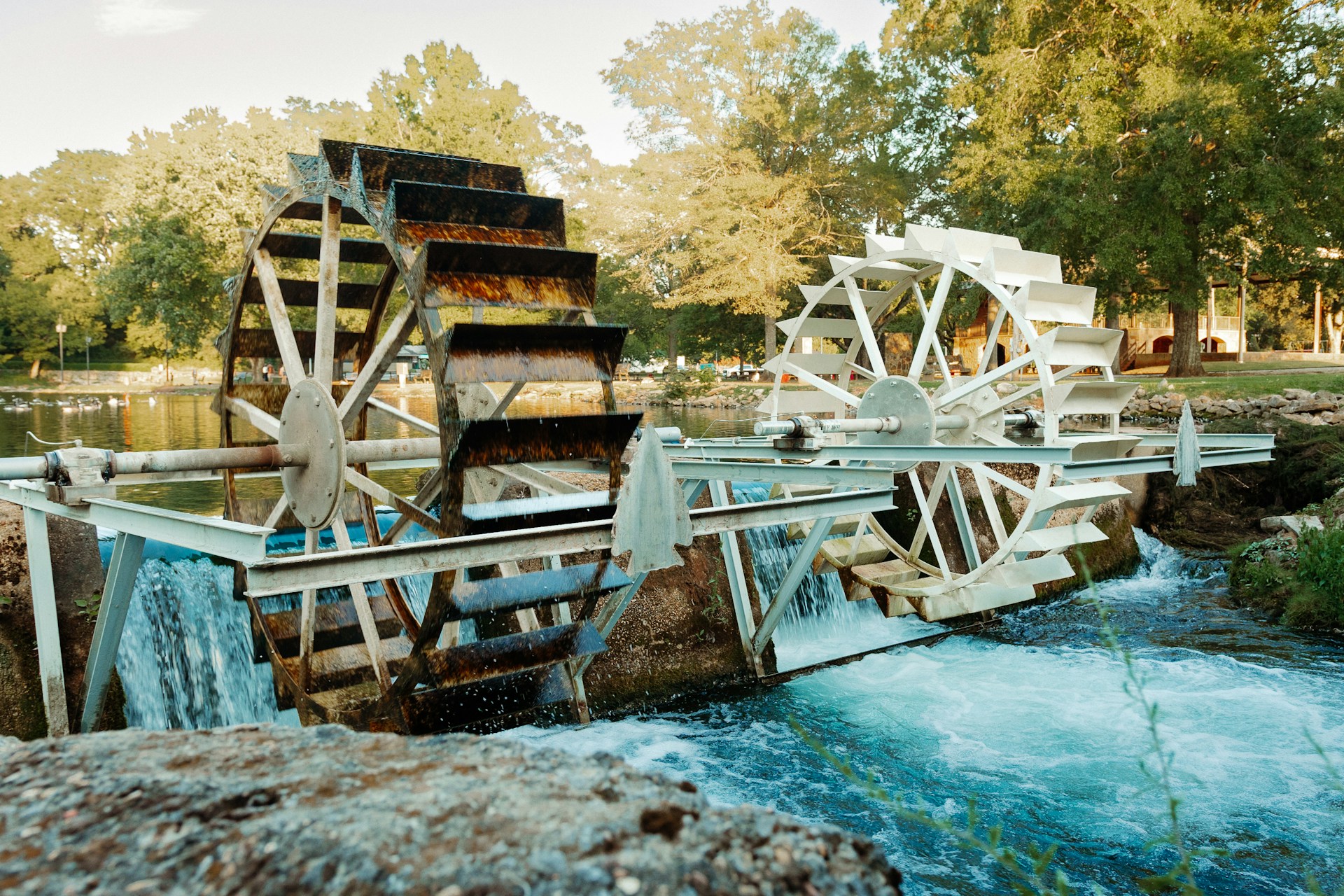
The Sim Corder/Harrison Mill experienced years of deterioration. Its waterwheel had been sold and moved to Anderson, Alabama, in 1939. It remained away from the mill for decades before eventually returning in 1996 after major repairs. A new millrace also helped restore the site closer to its historic appearance.
These events show why conservation often requires long-term commitment. Saving a historic site rarely depends on one repair. Instead, caretakers must identify problems, decide which elements carry the greatest historical value, and make improvements without removing the character that makes the property important.
Restoring Character Instead of Replacing It
Successful conservation does not simply make an old building look new. In fact, replacing every worn part with modern materials can erase much of the craftsmanship that gives a historic site its identity. Restoration works best when it protects original features whenever they can still serve safely.
Accounts describing conservation work at the mill emphasize attention to weakened structural elements, aging supports, and historic materials. Preservation efforts have focused on keeping original craftsmanship where possible while strengthening areas that need support. This approach reflects a central idea in heritage conservation, repair what can be saved and replace only what is necessary.
Such care also helps visitors understand the building more clearly. Old timbers, stonework, mechanical features, and traditional construction methods offer evidence that a modern replica cannot fully reproduce. Therefore, preserving authentic material gives future generations a stronger connection to the people who originally built and used the structure.
Returning the Waterwheel to Its Place
Few parts of an old water-powered mill carry as much visual meaning as the wheel. It immediately shows how flowing water once became usable mechanical power. For that reason, the return of the Sim Corder/Harrison Mill waterwheel became an important part of restoring the site’s historic appearance.
The historical marker records that the wheel left the property in 1939 and remained in Anderson, Alabama, until 1996. After years of deterioration and major repairs, it returned to its original position. The restoration also included a new millrace, allowing the surrounding setting to better reflect the mill’s earlier appearance.
The effort highlights the value of watermill restoration efforts that look beyond the main building. A mill depends on a wider system that includes water flow, channels, mechanical parts, and the surrounding landscape. Restoring those connections helps people see how the entire operation once worked rather than viewing the building as an isolated structure.
Protecting the Landscape Around the Structure
Conservation does not stop at the walls. The land around a historic mill can directly affect its survival. Water drainage, soil movement, erosion, vegetation, and changing creek conditions can place pressure on foundations and other structural elements.
Because mills were built around flowing water, managing that relationship is especially important. Water gave these sites their power, yet uncontrolled moisture can also damage wood, stone, and foundations. Therefore, protecting the setting requires careful attention to drainage and erosion as well as the building itself.
Published accounts of conservation activity describe attention to surrounding grounds, including drainage improvement, vegetation management, and erosion concerns. These measures help reduce environmental pressure while protecting the historic character of the property.
This broader approach also preserves context. Visitors gain more from a historic mill when they can understand why it stood in a particular location and how the landscape supported its operation. The surrounding environment becomes part of the historical story.
Keeping Traditional Craftsmanship Visible
Old mills reveal practical engineering in a form that people can see and touch. Timber frames, stone foundations, gears, water channels, and mechanical connections show how builders solved difficult problems without modern computer modeling or industrial construction equipment.
Conservation gives these details another life. When original materials remain visible, students, visitors, craftspeople, and historians can study how earlier builders worked. Moreover, preserved machinery can help explain how water power supported local agriculture and production.
The educational value becomes especially important as similar structures disappear. The historical marker notes that many mills once operated along the waterways of Limestone County. However, it identifies the Sim Corder/Harrison Mill as the only one restored to its historic appearance. Therefore, every surviving feature carries greater value as evidence of a once-common part of local industry.
Preservation also encourages respect for older skills. Instead of seeing historic construction as outdated, visitors can recognize the careful planning, material knowledge, and mechanical thinking required to build a working mill.
Connecting Stewardship With Community Memory
A historic property survives because people decide that it deserves care. Buildings cannot protect their own stories. Owners, volunteers, local historians, preservation advocates, and community supporters all play roles in keeping important places visible.
The mill’s 2016 historical marker reflects that community interest. It was erected by the Limestone County Historical Society and the Athens/Limestone Tourism Council, giving visitors a clear record of the property’s ownership history, waterwheel restoration, and local importance.
Long-term private stewardship has mattered as well. Biographical information about Grady Paul Gaston states that maintaining the Sim Corder/Harrison Mill is one of his hobbies and that he restored the mill in 2005. This continued personal involvement shows how individual commitment can support the survival of local heritage.
When people maintain historic sites, they also keep stories in circulation. Children, visitors, and new residents gain opportunities to learn why a place mattered and how earlier generations used local resources to support their communities.
Carrying Industrial Heritage Into the Future
Protecting the mill through cultural heritage conservation ensures that future visitors can encounter something more meaningful than photographs or written descriptions. They can see the structure, study its setting, understand the role of the waterwheel, and connect its physical features with the history of local industry. Continued maintenance will remain important because preservation is never truly finished. Weather, moisture, vegetation, and natural aging will always require attention.
The Sim Corder/Harrison Mill demonstrates what careful stewardship can accomplish. A waterwheel that left the property returned decades later, the millrace was renewed, and the structure regained its historic appearance. More importantly, the property remains a visible reminder of the people and practical engineering that once supported life along local waterways. By protecting sites like this one, communities do not simply preserve old buildings. They give future generations a real place where history can still be seen, studied, and understood.