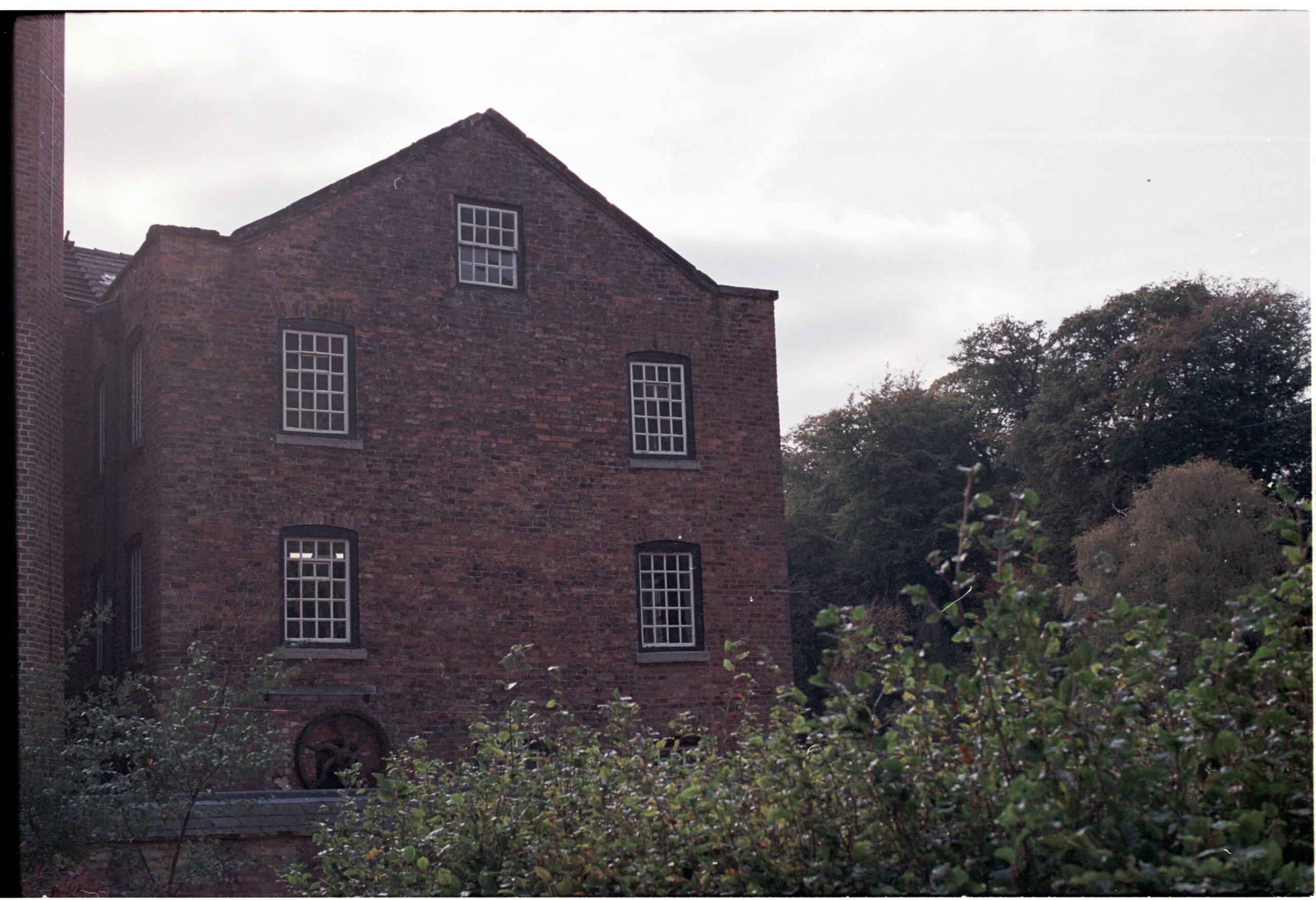
Historic mills offer more than a look at old buildings and machinery. They tell stories about work, community growth, technology, and the daily lives of earlier generations. The Sim Corder/Harrison Mill stands as an important example of this connection between people and place. Its history helps modern visitors understand how local industries once supported families, farms, and developing communities.
Studying the mill also reveals how people used natural resources and practical engineering to meet everyday needs. Mills often became important gathering points where business and social life overlapped. By examining the Sim Corder/Harrison Mill, people can better appreciate the skills, labor, and cooperation that helped shape communities before modern factories and transportation systems changed the economy.
A Reflection of an Earlier Economic Era
Mills played a major role in local economies during periods when communities depended heavily on nearby production. Farmers and residents needed convenient places to process agricultural products and obtain useful materials. A working mill could therefore become an essential part of the economic system. It connected local producers with services that allowed them to prepare goods for household use or trade.
The Sim Corder/Harrison Mill represents this period of locally driven economic activity. Instead of relying on distant industrial centers, communities often produced and processed many necessities close to home. Such operations created jobs, supported agriculture, and encouraged trade. The mill reminds visitors that economic development once depended greatly on small businesses that served people within a limited geographic area.
Understanding Traditional Mill Technology
Historic mills also provide valuable examples of early mechanical innovation. Long before electricity powered modern equipment, mill operators relied on carefully designed systems to convert available energy into useful motion. Water, mechanical gears, shafts, belts, and other components could work together to operate equipment with remarkable efficiency for the period.
The Sim Corder/Harrison Mill offers an opportunity to explore the practical engineering knowledge used by earlier generations. Mill builders needed to understand materials, movement, maintenance, and local environmental conditions. Their work required both technical ability and experience. Preserved mill structures can therefore teach visitors how mechanical solutions developed before digital controls, advanced motors, and automated manufacturing became common.
The Mill’s Connection to Agricultural Life
Agriculture shaped the growth of many early American communities, and mills often worked closely with local farms. Farmers needed ways to process crops and prepare raw materials for practical use. Traveling long distances was difficult, especially before improved roads and motor vehicles. A nearby mill could save time while helping farmers make their harvests more useful and valuable.
The historical importance of the Sim Corder/Harrison Mill becomes clearer when viewed through this agricultural connection. It was part of a broader system in which farms, local businesses, and households depended on one another. The mill reflects an era when economic relationships were often personal and local. Its story helps explain how communities transformed natural resources and agricultural production into sustainable economic activity.
A Center for Community Interaction
Historic mills were often more than workplaces. People visiting a mill might exchange news, discuss crops, arrange business, or meet neighbors while waiting for services. In areas where homes were spread across the countryside, these regular interactions could strengthen community relationships. Economic activity naturally created opportunities for social connection.
For this reason, the Sim Corder/Harrison Mill can be understood as part of the social history of its surrounding community. The people who worked there and visited it contributed to a shared local experience. Preserving the mill keeps part of that experience visible. It gives today’s visitors a physical setting through which they can imagine how work and community relationships developed together.
Evidence of Changing Industry and Transportation
The story of a historic mill also shows how industry changed over time. Local mills became especially important when transportation remained slow and expensive. However, improved roads, rail networks, larger factories, and new technologies gradually changed production. Businesses could move goods farther and faster, while centralized industrial facilities could process larger quantities at lower costs.
Places such as the Sim Corder/Harrison Mill help illustrate this transition. The mill represents a period before modern industrial systems transformed local economies. Its history allows visitors to compare small-scale production with later forms of manufacturing and distribution. That comparison makes broader economic change easier to understand because people can connect major historical developments with a surviving local landmark.
Preserving Traditional Skills and Craftsmanship
A historic mill can also demonstrate craftsmanship that modern buildings sometimes hide. Earlier builders often relied on locally available materials and hands-on construction methods. Wooden structural elements, stonework, mechanical components, and carefully fitted parts required knowledge that workers developed through years of practice. Regular repairs also demanded creativity because replacement parts were not always easy to obtain.
Preserving the Sim Corder/Harrison Mill can help protect knowledge about these traditional skills. Restoration work may reveal how earlier builders solved structural and mechanical problems with limited tools. These details give historians, craftspeople, students, and visitors a stronger understanding of historical construction. They also show that old industrial buildings were products of both practical necessity and specialized human skill.
Why Historic Preservation Matters
Historic preservation gives communities a direct connection to their past. Written records can explain dates, businesses, and important events, but physical places create a different type of understanding. Standing near an old mill allows visitors to observe its scale, materials, setting, and design. These details can make history feel more immediate and easier to understand.
Protecting the Sim Corder/Harrison Mill also creates opportunities for education. Schools, historical groups, researchers, and families can use the site to explore local industry, engineering, agriculture, and community development. Preservation does not simply protect an old structure. It protects a resource that can continue teaching future generations about the lives and choices of people who came before them.
Connecting Modern Visitors With Local Heritage
Modern communities often change quickly. New buildings, roads, businesses, and technologies can make it difficult to recognize earlier landscapes. Historic sites provide points of continuity. They remind residents that their communities developed through generations of work, adaptation, innovation, and cooperation. Understanding that process can create a stronger appreciation for local heritage.
The Sim Corder/Harrison Mill remains meaningful because it connects several parts of that heritage in one place. Its story touches agriculture, industry, technology, craftsmanship, commerce, and community life. Preserving and studying the mill allows these stories to remain accessible. As future generations encounter the site, they can continue learning how local resources, practical knowledge, and human effort helped build the communities they know today.