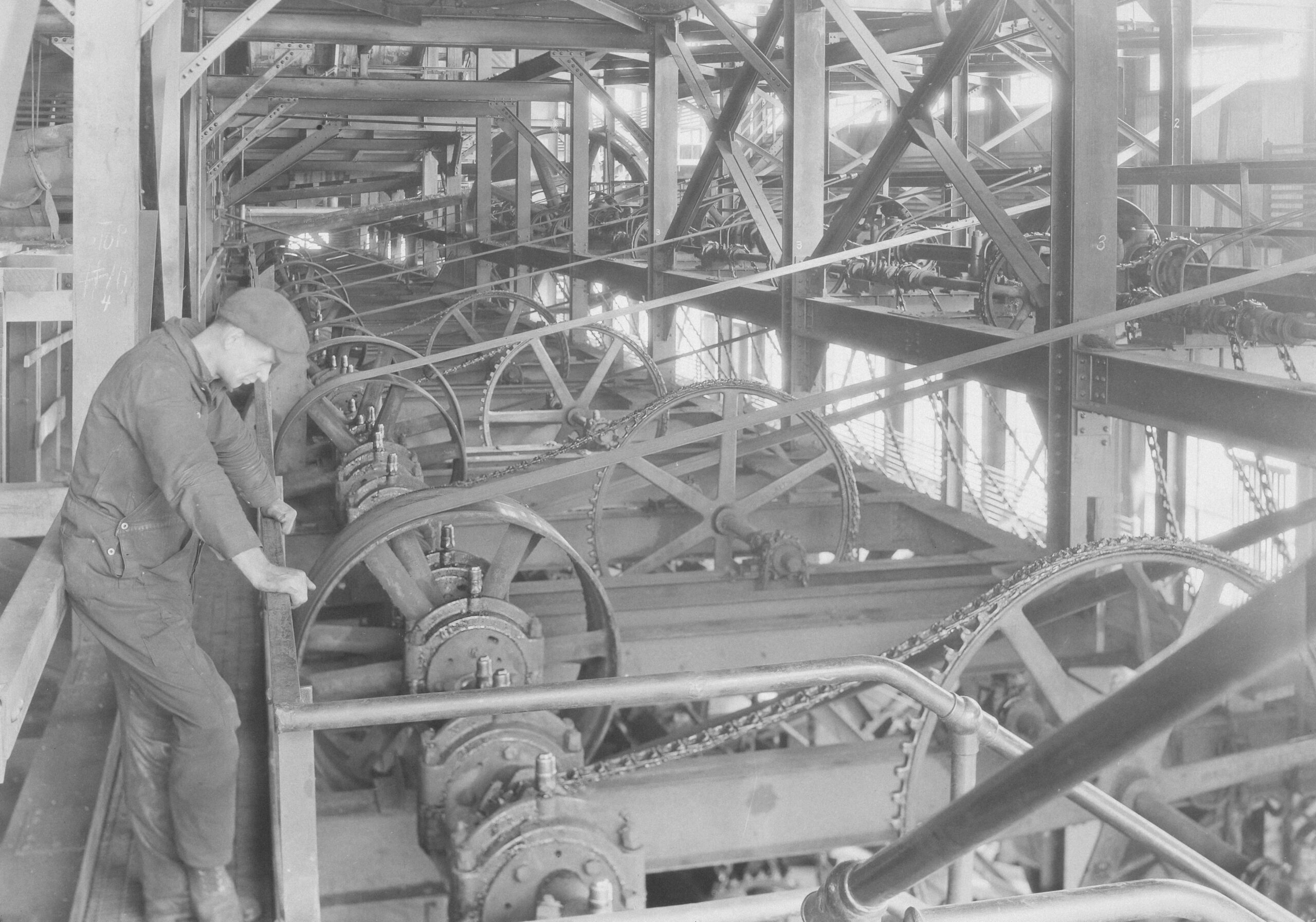
The story of early industrialization in America cannot be told without examining the impact of Harrison Mill. As a powerful engine of economic and social change, Harrison Mill helped transform a largely agrarian society into a production-driven economy. Moreover, the mill created jobs, encouraged technological progress, and reshaped local communities. While many mills contributed to industrial growth, Harrison Mill stands out for combining innovation, labor organization, and regional trade expansion. Therefore, understanding Harrison Mill offers valuable insight into how early industrialization developed and spread across the United States.
Harrison Mill and the Rise of Early Industrialization
Harrison Mill played a direct role in accelerating early industrialization by shifting production from homes to centralized facilities. Before mills like Harrison Mill emerged, families handled spinning, weaving, and processing by hand. However, once mechanized systems entered the picture, output increased at an unprecedented rate. As a result, local markets expanded quickly, and producers began meeting demand beyond their immediate region. Harrison Mill became a symbol of this change because it demonstrated how water-powered machinery could increase both speed and consistency in manufacturing.
In addition, Harrison Mill encouraged investment in infrastructure and trade networks. Roads improved to handle the movement of raw materials and finished goods. Consequently, nearby towns developed stronger commercial ties. Early industrialization depended on such connections, and Harrison Mill provided a stable production hub that anchored regional growth. Because of this stability, entrepreneurs felt confident investing capital in related industries, which further strengthened the industrial base.
Technological Innovation at Harrison Mill
Technological progress drove early industrialization, and Harrison Mill embraced new machinery with confidence. Instead of relying solely on manual labor, the mill adopted water frames and mechanized looms, thereby increasing efficiency. Therefore, production time decreased while output increased. Workers could produce more fabric and processed materials in a single day than entire households could manage in a week. This shift marked a critical turning point in early industrialization.
Furthermore, Harrison Mill improved operational processes through careful organization. Managers structured shifts, supervised machinery, and maintained equipment to prevent downtime. As a result, the mill minimized waste and improved productivity. Although other mills followed similar paths, Harrison Mill gained recognition for balancing technology with human oversight. Because innovation remained a priority, the mill adapted quickly to new mechanical developments and strengthened its role in early industrialization.
Labor Transformation and Workforce Development
Early industrialization reshaped labor patterns, and Harrison Mill stood at the center of that transformation. Previously, agricultural work defined daily life for most families. However, the mill introduced wage labor as a steady source of income. Consequently, workers began following fixed schedules rather than seasonal rhythms. This shift created a new sense of time discipline and workplace structure that influenced broader industrial culture.
At the same time, Harrison Mill fostered workforce specialization. Instead of completing entire products, employees focused on specific tasks within the production process. Therefore, efficiency improved, and skill levels increased in targeted areas. Early industrialization relied on this division of labor to maintain consistent output. Although factory work demanded long hours, it also offered stable wages and new economic mobility for many families.
Economic Growth and Regional Development
Harrison Mill stimulated economic growth beyond its immediate operations. Because the mill required raw materials, farmers and suppliers gained new markets for their goods. As demand rose, local agriculture diversified to support industrial needs. In turn, merchants expanded services to accommodate workers and traders. Early industrialization thus created an interconnected economic web centered on production hubs such as Harrison Mill.
Moreover, the mill attracted population growth. Workers migrated to the area in search of employment, which led to the development of housing, schools, and local businesses. Consequently, small settlements evolved into thriving towns. Early industrialization depended on such concentrated labor forces, and Harrison Mill helped establish that model. Through its steady output and reliable wages, the mill encouraged long-term community development.
Social Change and Community Impact
The social effects of early industrialization extended far beyond economic metrics. Harrison Mill altered family structures and daily routines. Since wage labor required fixed hours, families adjusted their schedules to coincide with factory shifts. Therefore, community life began revolving around industrial time rather than agricultural cycles. This transition marked a profound cultural shift in American society.
In addition, Harrison Mill created new social spaces. Boarding houses, churches, and marketplaces emerged near the mill site. As a result, workers formed shared identities based on industrial labor. Early industrialization often strengthened community bonds, even while it introduced new challenges. Although factory work could prove demanding, the shared experience fostered solidarity among employees and residents alike.
Infrastructure Expansion and Transportation Networks
Early industrialization required efficient transportation, and Harrison Mill influenced infrastructure growth in meaningful ways. Because the mill produced goods in large quantities, reliable routes became essential. Local authorities improved roads and bridges to facilitate trade. Consequently, transportation networks expanded, linking the mill to distant markets. Harrison Mill thus acted as a catalyst for regional connectivity.
Furthermore, waterways played a key role in supporting mill operations. Since many early mills relied on water power, communities invested in maintaining river access and canals. As trade routes strengthened, economic opportunities multiplied. Early industrialization thrived on such logistical improvements, and Harrison Mill contributed directly to these advancements. Through infrastructure expansion, the mill secured its place within a broader industrial system.
Environmental Influence and Resource Management
Harrison Mill depended heavily on natural resources, particularly water power. Therefore, early industrialization required careful management of rivers and the surrounding land. Mill operators monitored water flow to maintain steady production. At the same time, communities recognized the importance of preserving access to energy sources. This balance between industry and environment shaped local planning decisions.
However, industrial growth also placed pressure on natural systems. Increased production led to greater demand for timber, crops, and water usage. Consequently, resource management became an ongoing concern. Harrison Mill illustrates how early industrialization brought both progress and environmental challenges. While the mill supported economic development, it also highlighted the need for sustainable practices.
Harrison Mill’s Lasting Legacy in Early Industrialization
The long-term legacy of Harrison Mill remains closely tied to the broader story of early industrialization. By centralizing production and adopting innovative technology, the mill demonstrated the advantages of factory-based systems. As other regions observed its success, they implemented similar models. Therefore, Harrison Mill influenced industrial expansion far beyond its immediate location.
Today, historians view Harrison Mill as a case study in industrial transformation. It represents the shift from rural craftsmanship to mechanized production. Moreover, it shows how economic, social, and technological factors worked together to shape early industrialization. Because of its integrated approach to growth and organization, Harrison Mill continues to serve as an important example of America’s industrial beginnings.