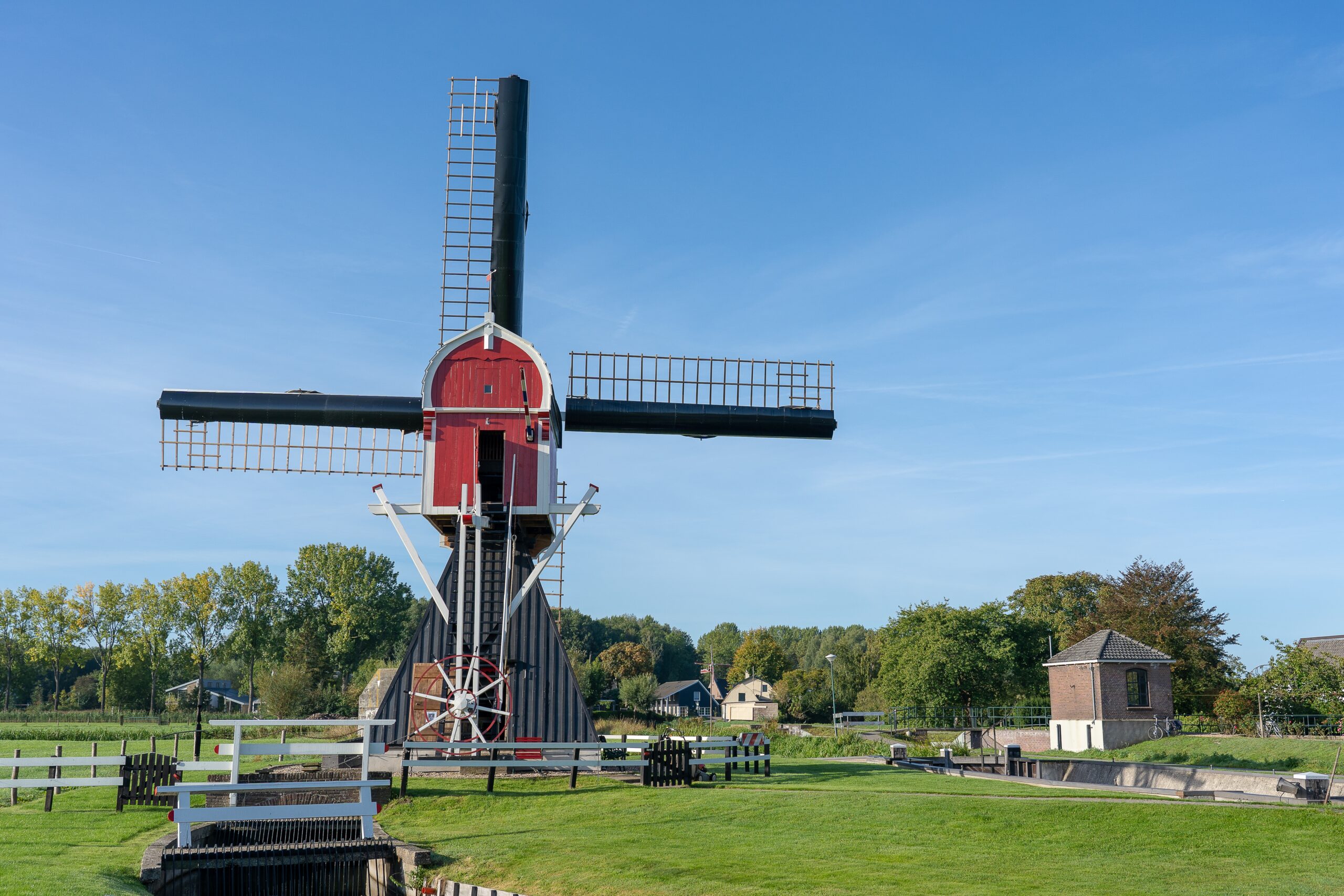
Restoring Sim Corder Mill for Future Generations stands as a promise to protect history while building pride for tomorrow. This historic mill tells the story of hard work, family roots, and rural life that shaped the region. For decades, it served as a center of trade and connection. Today, leaders and neighbors work together to bring it back to life. Their shared goal is to save the structure and honor the spirit it represents.
Historic landmarks connect people to their past in a powerful way. When communities lose them, they lose part of their identity. Therefore, this restoration effort does more than repair wood and stone. It protects stories, traditions, and values that deserve to last. As support grows, the project continues to gain momentum and inspire action.
The Historical Significance of Sim Corder Mill
Sim Corder Mill once played a vital role in the local economy. Farmers brought grain, families gathered to trade goods, and workers relied on the mill for a steady income. Because of its central role, the mill became more than a business. It became a meeting place where relationships formed, and news traveled quickly. Over time, the building witnessed change, growth, and community resilience.
Moreover, the mill reflects early engineering skill and craftsmanship. Builders used strong timber and simple yet effective design methods that have lasted for generations. As a result, preserving this structure helps people understand how earlier communities solved problems with limited tools. When people walk through its doors, they step into a living history that textbooks alone cannot fully explain.
Why Restoration Matters Now
Time, weather, and neglect have taken a toll on the mill. Cracked beams, worn foundations, and roof damage threaten its stability. If leaders delay action, the building could face a serious decline. However, community members recognize the urgency and refuse to let history fade. They believe that restoring Sim Corder Mill for Future Generations will secure the landmark before damage becomes too severe.
In addition, restoration strengthens local pride and unity. When neighbors volunteer, donate, or attend events, they show commitment to shared heritage. This involvement builds stronger bonds across generations. Young residents learn why the site matters, while older residents share memories and knowledge. Together, they create a sense of ownership that supports long-term preservation.
Community Involvement Drives Progress
Residents have stepped forward to support the preservation of the Sim Corder Mill. Volunteers help clear debris, organize fundraising events, and spread awareness. Their efforts show that community heritage conservation thrives when people feel personally connected to it. Because the mill belongs to everyone, many feel responsible for its survival.
Furthermore, partnerships with local businesses and historical groups strengthen the mission. These partnerships bring expertise, funding, and publicity to the project. As collaboration grows, so does confidence in the outcome. Each shared effort moves the project closer to success while reinforcing the importance of protecting local landmarks.
Economic and Educational Benefits
Restoring historic mills often sparks economic growth. Visitors travel to explore preserved landmarks, and tourism supports nearby shops and restaurants. Therefore, restoring the Sim Corder Mill for Future Generations may boost the local economy. Increased foot traffic can create jobs and encourage the development of small businesses around the site.
At the same time, the mill offers rich educational value. Schools can host field trips that teach students about agriculture, engineering, and community life. Instead of just reading about history in a classroom, students can see and touch it. This hands-on learning experience strengthens understanding and sparks curiosity about preserving rural history.
Sustainable Preservation Practices
Leaders behind the restoration focus on sustainable landmark preservation. They use materials that match the original design while improving durability. Skilled artisans repair beams, restore stonework, and reinforce the structure without changing its historic character. Because of this careful approach, the mill will retain authenticity while gaining new strength.
Additionally, the project supports environmental responsibility. Rather than demolish and rebuild, the team chooses to restore and reuse. This decision reduces waste and respects the natural resources already invested in the structure. Sustainable choices ensure that future generations inherit both a preserved landmark and a healthier environment.
Challenges and Determination
Every historic restoration faces obstacles, and this project is no exception. Funding gaps, weather delays, and technical repairs require patience and planning. However, the community continues to adapt and push forward. Leaders seek grants, host events, and encourage donations to sustain progress.
Determination fuels the effort to complete the Sim Corder Mill preservation project. Organizers set clear goals and maintain open communication with supporters. Because they share updates often, trust remains strong. This transparency helps sustain enthusiasm and reminds everyone why restoring Sim Corder Mill for Future Generations remains essential.
A Vision for the Future
Once restoration reaches completion, the mill will serve as more than a historic display. Organizers plan to host cultural events, educational workshops, and seasonal festivals. These activities will transform the site into a lively community center once again. In this way, the mill will return to its original purpose as a gathering place.
Looking ahead, leaders hope the project inspires similar efforts elsewhere. When one town succeeds in cultural heritage restoration, others notice and learn. The restored mill can act as a model for preserving rural history across the region. As a result, its impact will stretch beyond its physical walls.
Passing the Legacy Forward
Preserving historic sites sends a clear message to younger generations. It shows that history matters and that communities value their roots. When children see adults invest time and energy in protection efforts, they learn to respect heritage. Therefore, restoring Sim Corder Mill for Future Generations becomes a lesson in responsibility and pride.
The project also creates opportunities for storytelling. Elders can share memories about the mill’s role in daily life. These stories build emotional ties that no modern building can replace. As people connect through shared history, they strengthen community identity and ensure that traditions continue.
Restoring Sim Corder Mill for Future Generations represents more than construction work. It reflects hope, cooperation, and respect for those who came before. Because the community has united behind this mission, the mill stands a strong chance of revival. With steady effort and clear purpose, this treasured landmark will once again serve as a symbol of resilience and heritage. Through historic mill restoration, the town protects its past while shaping a brighter future built on pride, learning, and shared commitment.