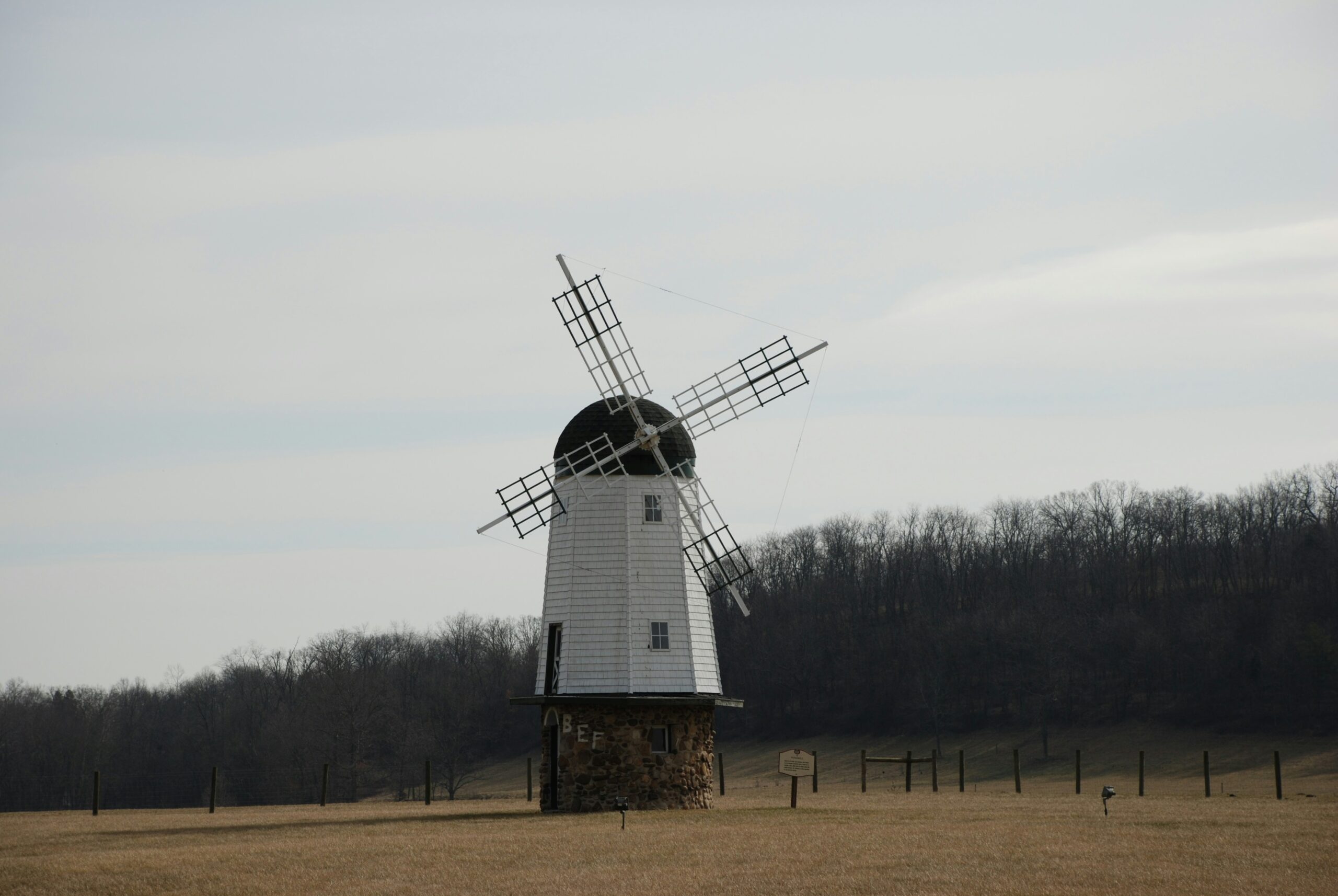
Historic places carry stories that cannot speak for themselves. They rely on people to protect them. The Sim Corder, also known as the Harrison Mill, stands as one of those places. Time has worn its walls, yet its meaning remains strong. This mill reflects local labor, shared struggle, and community pride. Saving it is not only about wood and stone. It is about memory, identity, and respect for the past.
Community members have stepped forward to protect the mill. They do so with care and patience. Their work shows how local action can preserve history. The effort proves that ordinary people can guard extraordinary places when they unite around a shared purpose.
A Mill Rooted in Local Memory
The Sim Corder/Harrison Mill once played a vital role in daily life. It served farmers, workers, and families who depended on it. Grain passed through its wheels, and news passed through its doors. The mill became a meeting place as much as a workplace. Over time, it grew into a symbol of cooperation and survival.
As years passed, new tools replaced old methods. The mill slowed and then fell silent. Nature began to reclaim it. Wood aged, stone cracked, and stories faded. Yet many residents still felt a deep connection to the site. They remembered parents and grandparents who worked there. That emotional bond sparked the desire to protect what remained.
The Threat of Loss and Neglect
Weather and neglect pose serious risks to historic structures. The mill faced both. The rain weakened the roof. Wind loosened boards. Without care, collapse became a real danger. Each season increased the chance that the building would be lost forever.
Loss would mean more than a fallen structure. It would erase a shared past. The community understood this risk clearly. People realized that waiting would only make restoration harder. That sense of urgency helped turn concern into action. It pushed neighbors to speak up and take responsibility.
Grassroots Action Takes Shape
Residents began with simple steps. They talked with each other. They shared memories and concerns. These conversations built trust and focus. Soon, small groups formed with a clear goal. They wanted to protect the mill and tell its story.
Volunteers gave time and skills. Some cleaned the site. Others researched records and photos. Many helped raise awareness through local events and writing. No single person led the effort. The project grew through shared effort. That teamwork became its greatest strength.
Preserving Skills and Traditional Knowledge
Restoring an old mill requires respect for traditional methods. Modern fixes can cause harm if used without care. Community members understood this. They sought guidance from historians and craftspeople. These experts helped match materials and methods to the original design.
This process also revived old skills. Younger volunteers learned how earlier builders worked. They discovered why certain choices mattered. That learning created a living link between past and present. Preservation became a form of education, not just repair.
Education and Public Awareness
Saving the mill also meant sharing its value with others. The community opened conversations with schools and local groups. They explained why the mill mattered. Stories replaced dry facts. People listened and felt included.
Public events helped bring the site back into local life. Walks, talks, and small gatherings invited curiosity. These moments turned the mill into a classroom without walls. Awareness grew, and support followed. When people understand history, they are more likely to protect it.
Challenges Along the Way
Preservation work rarely moves fast. The community faced delays and setbacks. Funding proved difficult. The weather caused damage even during repairs. At times, progress felt slow and uncertain.
Despite these challenges, the effort did not fade. Clear communication kept spirits high. Small victories mattered—each repaired beam or cleared path renewed hope. The group learned patience and resilience. These qualities proved as important as tools or funds.
Why Community Preservation Matters
Large institutions cannot save every historic site. Local action fills that gap. Community-led efforts bring care and accountability. People protect what they feel connected to. The mill survives because it belongs to those who live nearby.
This model also builds pride. Working together strengthens social ties. Preservation becomes a shared achievement. The Sim Corder/Harrison Mill now stands as proof that history can survive when people care enough to act.
Looking Toward the Future
The work does not end with repair. Long-term care requires planning and involvement. The community continues to discuss ways to keep the mill active and safe. Future uses may include learning spaces or cultural events.
These plans keep the site relevant. A living landmark is worth more than a forgotten one. By looking ahead, the community honors the past while serving the present. The mill’s story continues, shaped by those who protect it today.
A Shared Responsibility
The effort to save the Sim Corder/Harrison Mill shows what unity can achieve. History survives when people choose action over silence. Each volunteer, conversation, and repair adds another chapter to the story.
This mill stands because a community refused to let it disappear. Their work reminds us that history lives close to home. Protecting it is not only possible. It is a responsibility we all share.