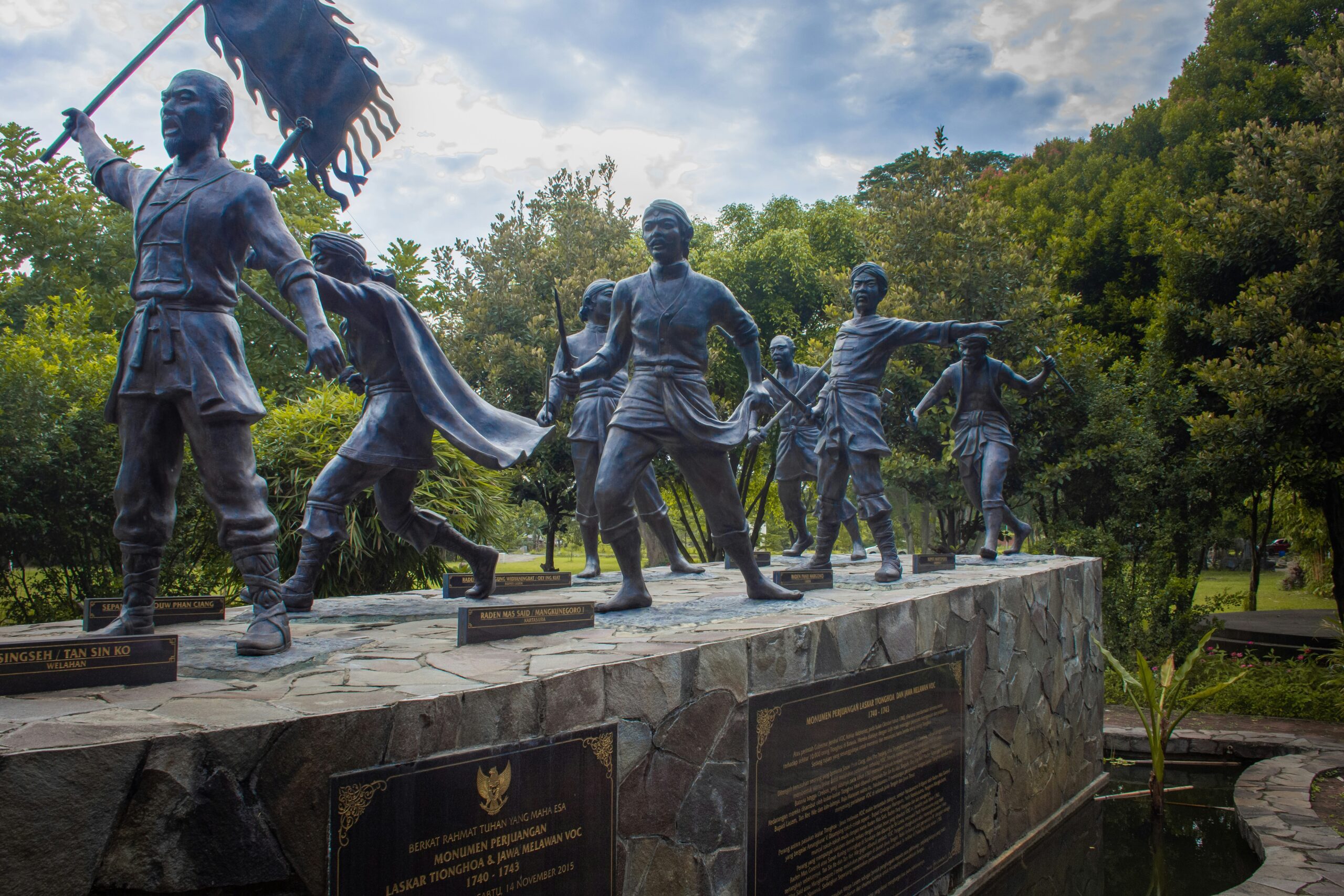
Cultural sites carry the memory of civilizations, reflecting traditions, beliefs, and historical milestones that shape societies. However, these places face constant threats from urban expansion, climate change, and neglect. As a result, the responsibility of safeguarding them falls on individuals and groups often known as heritage guardians. These guardians act as protectors of history, ensuring that cultural landmarks remain intact for future generations.
Moreover, heritage guardians do more than simply preserve physical structures. They maintain cultural narratives, promote awareness, and foster respect for heritage among communities. Consequently, their role has become increasingly important in a rapidly changing world where cultural identity can easily be lost.
Understanding Heritage Guardianship
Heritage guardians are individuals, organizations, or communities dedicated to protecting and maintaining cultural sites. They may include archaeologists, historians, local residents, or government bodies who share a commitment to conservation. In many cases, they act as stewards who monitor site conditions, prevent damage, and promote sustainable use.
Additionally, their responsibilities extend beyond preservation alone. They often engage in educational initiatives, ensuring that people understand the value of cultural heritage. As a result, they help build a sense of ownership and pride within communities, which strengthens long term conservation efforts.
Protecting Cultural Identity
Cultural sites represent the identity of a community, reflecting its history, traditions, and values. Therefore, heritage guardians play a vital role in protecting this identity from erosion. By maintaining these sites, they ensure that future generations can connect with their roots and understand their heritage.
Furthermore, preserving cultural identity fosters social cohesion. When people recognize and appreciate their shared history, they develop a stronger sense of belonging. Consequently, heritage guardians contribute not only to conservation but also to community unity and cultural continuity.
Preventing Irreversible Damage
Cultural sites are vulnerable to various threats, including natural disasters, vandalism, and unregulated tourism. Without proper care, these sites can suffer irreversible damage. Heritage guardians actively work to prevent such outcomes by implementing protective measures and monitoring potential risks.
In addition, they collaborate with experts to restore damaged structures and preserve artifacts. Through careful planning and intervention, they ensure that conservation efforts remain effective. As a result, cultural sites can withstand challenges and continue to serve as historical landmarks.
Promoting Sustainable Tourism
Tourism can provide economic benefits, yet it often puts pressure on cultural sites. Heritage guardians play a crucial role in balancing tourism with conservation. They develop strategies that allow visitors to experience these sites without causing harm.
Moreover, sustainable tourism practices encourage responsible behavior among visitors. By educating tourists about the significance of cultural heritage, guardians help reduce negative impacts. Consequently, tourism becomes a tool for preservation rather than a threat to it.
Encouraging Community Participation
Local communities are essential to the success of conservation efforts. Heritage guardians often involve residents in preservation activities, creating a shared responsibility for cultural sites. This participation fosters a deeper connection between people and their heritage.
Additionally, community involvement ensures that conservation efforts are culturally sensitive and sustainable. When locals take an active role, they are more likely to protect and maintain sites over time. As a result, heritage guardians help build a collaborative approach to conservation.
Supporting Legal and Policy Frameworks
Effective conservation requires strong legal and policy support. Heritage guardians advocate for laws and regulations that protect cultural sites from exploitation and neglect. They work closely with governments and institutions to ensure that policies are properly enforced.
Furthermore, these guardians contribute to the development of conservation guidelines and standards. By doing so, they help create a structured approach to preservation. Consequently, cultural sites receive the protection they need within a legal framework.
Adapting to Modern Challenges
In today’s world, cultural conservation faces new challenges such as climate change and technological advancement. Heritage guardians must adapt their strategies to address these issues. They use modern tools and techniques to monitor site conditions and implement innovative solutions.
At the same time, they remain committed to traditional conservation methods that respect the authenticity of cultural sites. By combining modern and traditional approaches, they ensure effective and respectful preservation. As a result, cultural heritage remains protected despite evolving challenges.
Educating Future Generations
Education is a key component of cultural conservation. Heritage guardians play an important role in teaching younger generations about the significance of cultural sites. Through workshops, guided tours, and educational programs, they pass on valuable knowledge.
Moreover, this education helps cultivate a sense of responsibility among future custodians. When young people understand the importance of heritage, they are more likely to contribute to its preservation. Consequently, heritage guardians ensure that conservation efforts continue across generations.
Heritage guardians serve as the backbone of cultural site conservation, protecting not only physical structures but also the stories and identities they represent. Their efforts prevent damage, promote sustainability, and encourage community involvement. As challenges continue to grow, their role becomes even more critical.
Ultimately, preserving cultural heritage is a shared responsibility. While heritage guardians lead the way, their work depends on collective support and awareness. By valuing and protecting cultural sites, societies can ensure that their history remains alive for generations to come.