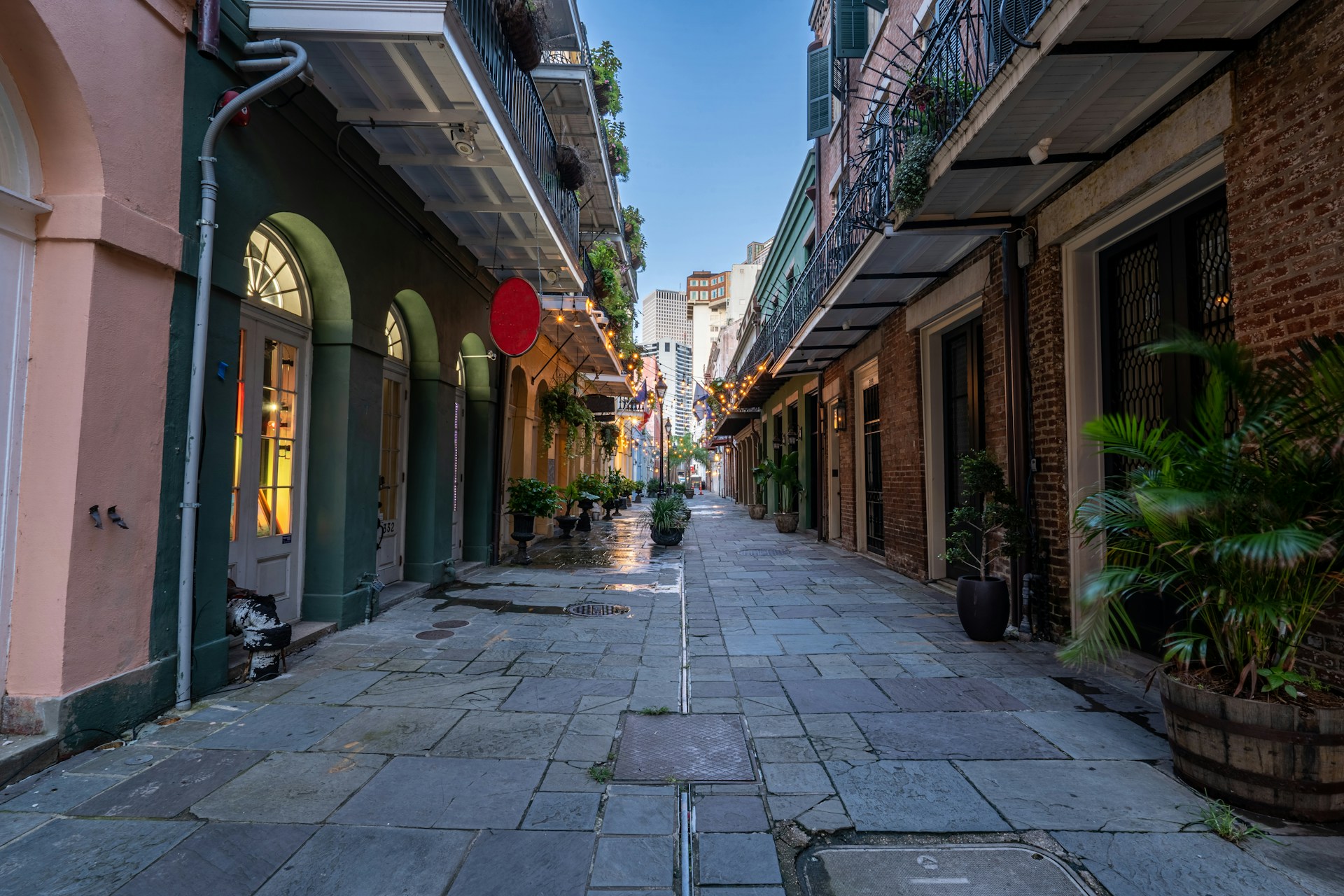
Small Southern towns often carry their history in plain sight. Courthouses, storefronts, churches, homes, and old mills reveal how communities grew over generations. Historic preservation helps towns protect these places while preparing for future needs. It also gives residents a stronger connection to local identity and shared experience. When communities preserve meaningful buildings, they retain stories that new construction cannot replace.
Historic Preservation Protects Community Identity
Historic buildings give a town a recognizable character. Their materials, proportions, signs, porches, and streetscapes often reflect regional traditions and local craftsmanship. Because these features developed over time, they create an authentic sense of place. Residents can see how earlier generations lived, worked, worshiped, and gathered.
That connection matters in small communities facing rapid change. New development can bring opportunity, yet poorly planned growth may erase distinctive landmarks. Historic preservation offers a practical way to balance progress with continuity. Instead of freezing a town in time, preservation helps valuable places remain useful as local needs change. This continuity also gives newcomers a clear sense of the values, traditions, and character residents cherish.
Preserving Southern Architecture Supports Local Economies
Preserving Southern architecture can also strengthen economic development. Restored commercial buildings can house restaurants, offices, galleries, shops, and professional services. These businesses benefit from spaces that offer character and a visible connection to the community. Meanwhile, rehabilitation can return vacant properties to productive use.
Historic districts can also support heritage tourism when communities present their stories thoughtfully. Visitors often seek walkable downtowns, distinctive architecture, local food, and cultural experiences. Their spending can reach independent businesses and service providers. However, tourism works best when preservation serves residents first and avoids turning history into a staged attraction.
Rehabilitation projects can create work for local contractors and skilled tradespeople. Older buildings may require carpentry, masonry, plaster repair, roofing, or window restoration. Consequently, preservation can support specialized skills that might otherwise disappear. Local investment also keeps existing assets working instead of abandoning them for development elsewhere.
Historic Downtown Revitalization Encourages Smarter Growth
Historic downtown revitalization can make better use of infrastructure that towns already maintain. Traditional commercial districts usually have streets, utilities, sidewalks, and public buildings in place. Reusing existing properties can reduce pressure to expand outward. It can also concentrate activity where businesses and civic life already have roots.
Compact historic areas often support walking between stores, offices, restaurants, and public spaces. As more buildings come to life, downtown streets can feel safer and more welcoming. In turn, that activity can encourage further private investment. A restored block may become a catalyst for broader community improvement without requiring wholesale redevelopment.
Still, successful revitalization requires practical planning. Town leaders must consider accessibility, building codes, parking, housing needs, and modern business operations. Preservation works best when rules allow thoughtful adaptation. Flexible reuse can protect important architectural features while giving property owners realistic ways to maintain viable buildings.
Local History Preservation Builds Civic Connection
Local history preservation is not limited to attractive architecture. Buildings can represent labor, education, commerce, faith, migration, civil rights, and everyday family life. Some places hold difficult histories alongside celebrated ones. Preserving them creates opportunities for communities to tell fuller stories about who shaped the town.
That broader approach can deepen civic connection. Residents are more likely to value preservation when they recognize their own families and experiences within local history. Therefore, towns should seek input from longtime residents, neighborhood groups, historians, business owners, and younger generations. Inclusive storytelling makes preservation more relevant and strengthens public support.
Schools and community organizations can also use historic places as learning resources. A courthouse square or former depot can make local history tangible for students. Instead of treating history as distant material, young people can examine places they encounter regularly. That familiarity may encourage future stewardship and stronger attachment to their hometown.
Adaptive Reuse Keeps Historic Buildings Relevant
A historic building survives best when it has a useful purpose. Adaptive reuse of historic buildings gives older structures new functions without removing the features that make them significant. For example, a former bank might become offices, while an old school could support housing. Such projects connect preservation with present economic and social needs.
Reuse can also reduce demolition waste and conserve materials already invested in existing structures. However, not every old building can meet every new purpose affordably. Communities need realistic assessments of condition, demand, financing, and safety. Careful planning helps leaders focus resources where preservation can deliver lasting public value.
Preserving the Past Strengthens the Future
Small Southern towns do not need to choose between history and progress. They can grow while protecting the places that make them distinctive. Historic preservation gives leaders a framework for making change more deliberate. It encourages communities to view older buildings as assets rather than obstacles.
The strongest preservation efforts connect culture, economic development, planning, and community participation. They protect Southern architecture while supporting active downtowns and viable local businesses. More importantly, they keep local stories visible for future generations. When small towns invest in their historic character, they preserve identity while creating a stronger foundation for thoughtful growth.